


How to Stop Holster Scratching: 7 Fixes That Work
Table of Contents
- Why Holster Scratching Happens and What It Costs You
- Step 1: Identify Friction Points Inside Your Holster
- Step 2: Clean Out Debris and Grit That Cause Finish Damage
- Step 3: Adjust Retention to Reduce Draw Resistance
- Step 4: Modify Kydex for Red Dot Sight Clearance
- Step 5: Apply the Right Lubricant and Protectant
- Cleaning and Maintaining Kydex Holsters Long Term
- Final Verdict: Keep Your Finish and Your Holster
- Frequently Asked Questions
Last Updated: September 7, 2026
Why Holster Scratching Happens and What It Costs You
Holster scratching is the surface marring of a firearm finish caused by repeated contact with the holster shell, debris, or grit trapped between the two surfaces. Every draw stroke and re-holstering cycle introduces friction, and when that friction meets an abrasive particle or a sharp molding edge, your slide pays the price. At Lindahl Holsters, we build custom Kydex holsters daily.

The financial sting of finish degradation is real. A scratched slide can cut the resale value of a pistol noticeably, and refinishing work is rarely cheap (shootingindustry.com). The good news is that most holster scratching is preventable. It comes down to understanding friction points, keeping the interior clean, and matching the holster to your actual setup, including weapon-mounted lights and optics.
Below, we'll walk through seven fixes that address the root causes. The process requires only basic tools you likely already own.
Step 1: Identify Friction Points Inside Your Holster
Start by unholstering your firearm and inspecting the interior of the shell under strong light. Look for shiny spots, scuff marks, or areas where the finish has already worn thin. These are your friction points, and they tell you exactly where the holster is contacting the slide during your draw stroke.
Common hot spots include the ejection port area, the front of the slide near the muzzle, and the top edge of the trigger guard. Run a clean finger along the interior surfaces to feel for burrs, sharp edges, or molding imperfections. A properly formed Kydex shell should have smooth, rounded edges at the mouth of the holster.
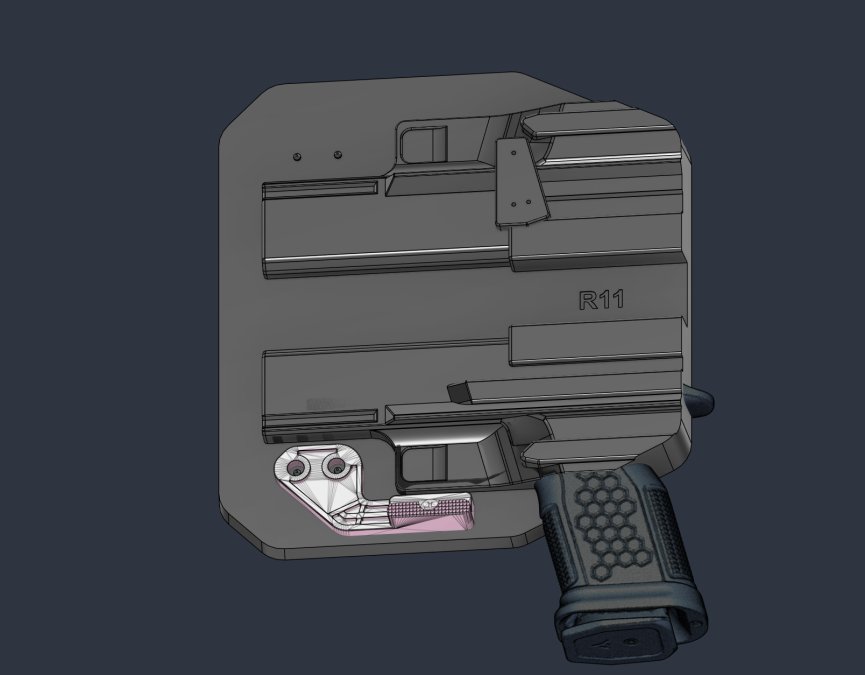
Our mold are custom designed around the firearm with specific tolerances to eliminate the risk of scratches.
Visual Inspection Protocol: Finding Hot Spots Before They Damage Your Finish
A simple visual check only reveals damage that has already occurred. To identify pressure points before they mar your finish, use a marking compound protocol:
- Apply a thin layer of lipstick or Prussian blue to the high-contact areas of your slide, the ejection port, the front of the slide, and the top edge of the trigger guard. These marking compounds transfer to the holster interior at the exact points of contact.
- Re-holster and draw the firearm 10-15 times with normal pressure. Do not force it; use your standard draw stroke.
- Unholster and inspect the holster interior. The marking compound will have transferred to the shell, revealing your specific hot spots. Areas with heavy transfer indicate high-pressure points.
- Mark those spots on the holster with a permanent marker. These are the zones that need smoothing, retention adjustment, or lubrication.
Every firearm and holster combination has unique contact geometry, especially when you factor in weapon-mounted lights or optics that change the balance and insertion path.
Understanding the Mechanics of Friction
Friction is not uniform across the holster. It is concentrated at the points where the holster's retention pressure is highest. Kydex holsters typically apply pressure at the trigger guard and the ejection port, these are the areas molded most tightly to secure the firearm (usconcealedcarry.com). When you draw, the slide rotates slightly under that pressure, creating a scraping action rather than a clean slide.
If you find a sharp lip or rough edge, that is a manufacturing defect or a sign of wear. Light sanding with fine-grit paper (400-600 grit) can smooth minor imperfections. For a rough edge at the mouth of the holster, use a deburring tool or fine sandpaper to round the lip, this is a common source of scratching during re-holstering when the slide angles into the shell.
Significant molding issues, warping, cracking, or a shell that does not match the firearm's contours, mean the holster fit is wrong for your setup. In that case, replacement is the safer option than attempting extensive modification.
Step 2: Clean Out Debris and Grit That Cause Finish Damage
Most finish damage comes from grit, not the holster material itself. Dust, lint, and carbon particles settle inside the shell and act like sandpaper when you draw. Cleaning the interior should be part of your regular maintenance routine.
Use a dry cloth or compressed air to remove loose debris first. For stubborn buildup, a cotton swab lightly dampened with isopropyl alcohol works well on Kydex. Avoid soaking the shell, and never use solvents that could degrade the polymer over time.
Make it a habit to check the holster interior every time you clean your firearm. A quick visual inspection takes seconds and prevents the slow accumulation of abrasive particles that cause finish damage.
Step 3: Adjust Retention to Reduce Draw Resistance
Excessive retention is a leading cause of holster scratching. When the holster grips the firearm too tightly, every draw requires more force, which increases friction and pressure against the slide. Kydex holster retention adjustment is straightforward on most designs.
Most quality Kydex holsters feature a retention screw near the trigger guard. Loosen it in small increments, test the draw, and repeat until the firearm releases cleanly with a firm, deliberate pull. The goal is a draw that requires no twisting or excessive force while still holding the firearm securely during movement.
Once you find the right setting, apply a small drop of Blue Threadlocker Medium Strength for Holster Hardware to the screw threads. This prevents the screw from backing out during daily carry while still allowing future adjustments.

Step 4: Modify Kydex for Red Dot Sight Clearance
If you carry a pistol with a red dot sight, holster scratching often comes from the optic housing scraping against the shell during the draw. Standard holsters molded without optic clearance force the sight to drag along the interior, which wears both the optic and the holster.
Knowing how to modify kydex holster for red dot sight clearance requires careful heat application. Use a heat gun on a low setting to warm the area around the optic channel, then press the holster over the firearm to reform the shell. Work slowly and check the fit frequently to avoid overheating the polymer.
If reforming sounds risky, the safer route is ordering a holster cut specifically for your optic. A custom-molded shell eliminates the clearance problem entirely and preserves the integrity of the holster.
Step 5: Apply the Right Lubricant and Protectant
Silicone spray is the standard recommendation for reducing friction inside a Kydex holster, and for good reason. It dries to a slick film that cuts draw resistance without leaving a wet residue that attracts dust and grit. Apply a light coat to the interior, let it dry, and wipe away any excess.
However, the 'right' protectant isn't one-size-fits-all. The chemical compatibility with your firearm's specific finish matters more than most guides suggest. Here is the material-specific breakdown:
- Nitride/Tenifer: This is a case-hardening treatment, not a coating. It's highly resistant to chemicals and abrasion. You can use a dry silicone lubricant or even a light application of a corrosion inhibitor like Eezox without concern. The primary risk is not chemical damage but physical wear from grit, so focus on keeping the holster clean.
- Cerakote: This is a thin ceramic-based coating that is durable but can be chipped or scratched by hard particles. Avoid any lubricant with abrasive additives. A pure silicone spray is safe. Crucially, avoid petroleum-based solvents for cleaning the holster interior, as they can break down the bonding agents over time if they pool against the slide.
- Stainless Steel: This finish is the most forgiving chemically but shows wear most readily. A silicone cloth wipe-down of the slide itself can help reduce friction. For the holster, a dry-film lubricant is ideal because it won't trap the carbon and grit that cause the micro-scratches visible on bare metal.
- Polymer Frames: The frame material is less prone to scratching than the slide, but the rails are not. A light coat of silicone on the holster's interior contact points is sufficient. Do not use lithium grease or heavy oils; they will attract dust and turn into a grinding paste.
The Long-Term Impact of Over-Lubrication
The most common mistake is over-lubricating the holster interior. A heavy coat of oil or grease creates a tacky surface. Every time you holster, airborne dust and lint stick to that surface. Over a few days of carry, this builds a fine abrasive layer that acts like sandpaper on your slide. The 'slick' feeling you get immediately after application is quickly replaced by a grinding action that accelerates finish wear.
A thin, dry film is all you need. If you can see a wet sheen on the Kydex, you've applied too much. Wipe it out with a dry microfiber cloth until the surface feels smooth but not slick to the touch.
Reapply after cleaning the holster or whenever the draw starts to feel less smooth. A single application should last several weeks under normal carry conditions.
Cleaning and Maintaining Kydex Holsters Long Term
Cleaning and maintaining Kydex holsters is a simple process, but consistency matters more than frequency. A quick wipe-down every few weeks prevents the buildup that leads to scratching.
Check the retention hardware periodically. Screws can loosen with use, changing the fit and increasing friction. A LINDAHL HOLSTERS REPLACEMENT HARDWARE KIT keeps spare screws and clips on hand so a loose component never sidelines your carry setup. The belt clip itself should also be inspected for wear, since a failing clip changes how the holster sits.

Maintenance Task |
Frequency |
Time Needed |
|---|---|---|
Visual inspection of holster interior |
Every cleaning cycle |
30 seconds |
Debris removal with air or cloth |
Weekly |
1 minute |
Retention screw check |
Monthly |
1 minute |
Full interior cleaning and silicone reapplication |
Every 4-6 weeks |
5 minutes |
Final Verdict: Keep Your Finish and Your Holster
Holster scratching is not inevitable. It is a symptom of friction, debris, or poor fit, and each of those causes has a fix. Identify the contact points, keep the interior clean, set retention correctly, and apply the right protectant. These habits preserve your firearm finish and extend the life of your holster.
The foundation of prevention starts with a properly fitted holster. At Lindahl Holsters, we mold each shell to the specific firearm model, including setups with weapon-mounted lights and optics, so the fit is precise from the first draw. Our custom Kydex holsters ship in 1-3 business days, and we offer a 15% discount for Military, Law Enforcement, and First Responders.
Find your gun model and get a holster that protects your finish instead of damaging it.
Frequently Asked Questions
Why is my holster scratching my gun?
Holster scratching happens when the holster shell presses against the firearm's finish during the draw stroke or re-holstering. Kydex is rigid, so any debris, grit, or high-spot inside the shell acts like sandpaper on the slide. Tight retention screws increase friction and make wear worse. Cleaning the interior and adjusting retention to the minimum level that still holds the firearm securely will reduce scratching.
Can cleaning your holster prevent finish damage?
Yes. Cleaning and maintaining Kydex holsters removes the grit and debris that cause most finish damage. A simple routine of blowing out the interior with compressed air and wiping it with a microfiber cloth every few weeks keeps abrasive particles from grinding against the slide. This is especially important after range sessions or outdoor carry, where dust and carbon build up inside the shell.
Does holster wear affect the reliability of a firearm?
Holster wear on the exterior finish does not affect mechanical reliability. The wear is cosmetic, limited to the protective coating on the slide. It will not change how the firearm functions, feeds, or fires. However, heavy wear can expose bare metal to moisture, which increases the risk of rust. Applying a light coat of quality protectant to worn areas keeps corrosion at bay.
What type of holster doesn't scratch my gun?
For Kydex, look for shells with smooth, polished interiors and adjustable retention. A properly fitted Kydex holster with no sharp edges and correct tension will minimize friction. Adding a thin layer of silicone spray to the interior also reduces abrasion without leaving a messy residue.

