


How to Dress Around a Holster Comfortably
Table of Contents
- Understanding Holster Types and Their Impact on Clothing Choices
- Best Holster Positions for Comfort and Concealment
- Choosing the Right Belt for Concealed Carry
- How to Prevent Printing with a Holster
- Fabric Selection and Layering Techniques
- Concealed Carry for Formal Wear
- Adjusting Cant and Ride Height for Daily Comfort
- Carrying While Sitting and Driving
- Seasonal Wardrobe Transitions and Carry Adjustments
- Common Mistakes to Avoid When Dressing Around a Holster
- Frequently Asked Questions
Last Updated: September 23, 2026
Understanding Holster Types and Their Impact on Clothing Choices
How to dress around a holster comfortably starts with knowing which holster type you're carrying. Your choice between inside-the-waistband (IWB) and outside-the-waistband (OWB) holsters changes everything about your wardrobe strategy. IWB holsters sit inside your pants, requiring tighter fitting clothes to prevent printing. OWB holsters ride on your belt, which means you need looser cover garments to conceal the entire rig.
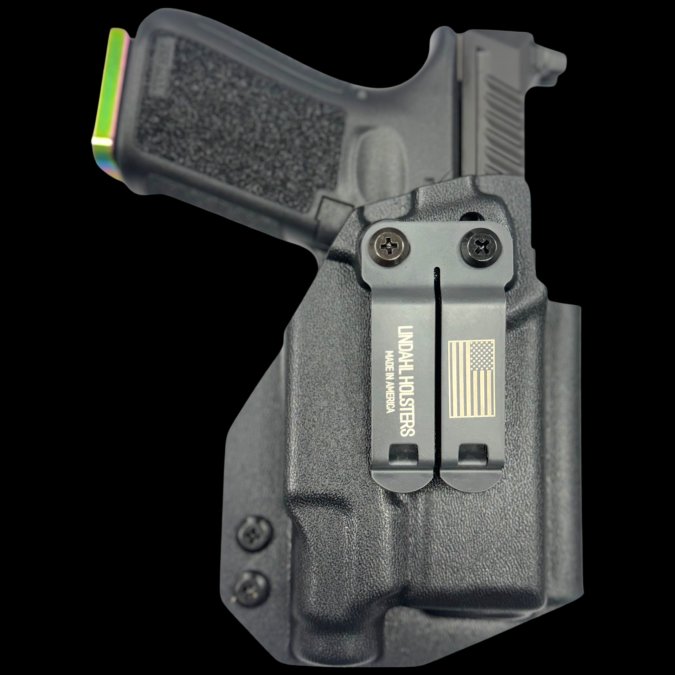
Kydex holsters create a defined shape easier to dress around than leather, which conforms unpredictably to your body. Lindahl Holsters' custom Kydex designs minimize your carry setup's footprint, reducing the concealment fabric you need.
Retention level matters too: Level 2 duty holsters add bulk, while passive retention IWB holsters take up less space. Choose based on your lifestyle.
Best Holster Positions for Comfort and Concealment
The best holster positions for comfort depend on your body type and daily activities. Appendix carry (front waistline at 1 o'clock to 3 o'clock) works well for seated work because the gun stays accessible while you're driving or at a desk. Strong side carry (3 o'clock to 4 o'clock) is the traditional position and suits most body shapes. Crossdraw (10 o'clock to 11 o'clock) works if you have a larger midsection that makes appendix carry uncomfortable.
Each position requires different clothing strategies:
- Appendix carry: Needs a cover garment that drapes over the front without clinging
- Strong side: Requires looser fit on your shooting side, tighter on the other side
- Crossdraw: Works with slightly longer shirts that cover the hip area
Ride height, how high or low your holster sits, dramatically affects comfort and concealment. Higher positions work with untucked shirts; lower positions need more fabric. A half-inch adjustment often transforms how your wardrobe works with your holster.
Choosing the Right Belt for Concealed Carry
A standard dress belt won't support a loaded holster. Gun belts are stiffer and wider, handling the weight without sagging or shifting, and require coordinating with your clothing.
A thick gun belt changes your waistline profile, which is why many carriers size up one pant size. The belt itself can print under tucked shirts almost as visibly as the gun.
Match your gun belt to your style: black works with everything, brown requires matching accessories. Some carriers layer a regular belt over their gun belt for better silhouette.
The DCC Monoblock IWB Belt Clip provides superior stability with heavy-duty steel construction, keeping your holster positioned all day. A stable holster prints less and requires less concealment fabric.

How to Prevent Printing with a Holster
Printing happens when the outline of your holster or firearm shows through your clothing. It's the biggest visible sign that you're carrying. Preventing printing requires three things: the right holster position, proper ride height, and strategic layering.
Position your holster where your body naturally conceals it. Strong side carry (3-4 o'clock) prints less than appendix because your hip shields the gun. Appendix carry requires more deliberate concealment since the gun sits at eye-level waistline.
Ride height directly impacts printing: too high and the grip peeks out; too low and the slide shows. Test by checking your profile in a mirror from multiple angles.
The ModWing concealment claw rotates your holster and grip toward your body, pushing the entire rig closer to your frame. Many carriers report needing one size smaller in cover garments after adding it.

Layering is your most powerful printing prevention tool. Two layers, a base shirt and cover garment, break up the outline enough that casual observers won't notice. The second layer just needs to disrupt the clean lines.
Fabric Selection and Layering Techniques
Fabric weight, weave density, and how light interacts with the material determine concealment effectiveness.
Fabric Weight and Weave Density
Lightweight fabrics (under 4 oz/yd²) show holster outlines clearly. Medium-weight (4-7 oz/yd²) like cotton t-shirts provide moderate concealment. Heavy-weight (7+ oz/yd²) like denim and canvas naturally break up outlines.
Tightly woven fabrics with high thread counts resist showing shapes better than loosely woven material. Twill and oxford weaves are denser than plain weaves, so oxford cloth button-ups conceal better than cotton poplin.
Color and Pattern Strategy
Solid colors create clean lines that highlight your holster's silhouette. Dark solids absorb light better than light ones, but solid colors alone don't reliably conceal.
Patterns disrupt your carry rig's outline. Vertical patterns break the horizontal waistline line. Avoid horizontal stripes. Busy patterns (plaids, houndstooth) scatter visual focus effectively. Even small-scale checks work better than solids.
Contrasting patterns (light and dark) create more visual disruption than monochromatic ones.
Moisture-Wicking and Synthetic Blends
Synthetic blends with higher thread counts can conceal effectively, but they cling when wet with sweat, increasing printing in hot weather. Cotton and cotton blends absorb moisture and drape loosely, making them preferred for summer carry.
Merino wool blends wick moisture, regulate temperature, and maintain loose drape without clinging. They work well for spring and fall carry.
Structured vs. Unstructured Fabrics
Structured fabrics (blazers, sport coats, interfaced button-ups) create space between material and body, essential for concealment. Unstructured fabrics conform to your holster.
Layer structured over unstructured: a structured shirt or light jacket over a fitted base layer creates needed space. The outer layer just needs to maintain its shape.
Practical Fabric Recommendations by Scenario
- Summer carry (light, hot weather): 100% cotton or cotton-blend t-shirts (5-6 oz/yd²) in busy patterns, worn with a lightweight structured overshirt in a contrasting pattern. Avoid athletic wear and thin dress shirts.
- Cool weather (fall, spring): Oxford cloth button-ups (6-7 oz/yd²), flannel shirts (6-8 oz/yd²), or lightweight sweaters in patterns. These provide weight and structure without bulk.
- Winter carry: Heavier sweaters (8-10 oz/yd²), fleece-lined jackets, and wool blends. Winter layers are so effective that many carriers switch to OWB holsters in winter because concealment is easy.
- Formal settings: Structured dress shirts (6-7 oz/yd²) in subtle patterns or solid colors, worn untucked or under a vest. Avoid thin dress shirts; opt for heavier cotton or cotton-blend dress shirts with higher thread counts.
- Everyday casual: Patterned t-shirts (5-6 oz/yd²) layered with a structured overshirt, or heavier single-layer options like flannel or twill.
Testing Your Fabric Setup
Fabric performance depends on fit, layering, and your specific holster. A heavy fabric in a tight fit prints more than a lighter fabric in a loose fit. Test your setup by wearing it in different lighting conditions, natural daylight, indoor fluorescent, and dim lighting all show printing differently. Check your profile in a mirror from multiple angles: straight on, at 45 degrees, and from behind. Sit, bend, and move to see how the fabric behaves during actual use.
The goal is finding the minimum fabric weight and layering needed for your situation, not maximum bulk. Carrying in summer with three layers of heavy fabric is uncomfortable and unnecessary. A single heavy-weight patterned shirt often conceals as well as two lighter layers, with better comfort.
Concealed Carry for Formal Wear
Formal wear is fitted by design, leaving little room for a holster. Appendix carry works better because the gun sits in front where a jacket naturally drapes. Strong side carry shows under most tailored jackets.
Shoulder holsters require a jacket worn at all times and different concealment strategies than belt-mounted rigs.
Use an OWB holster with a sport coat, wearing it unbuttoned for accessibility. When buttoned, the gun stays covered but access is sacrificed, acceptable for formal events where you don't expect to need the firearm.
Appendix IWB carry under formal wear offers both concealment and accessibility. A properly fitted untucked dress shirt or vest handles concealment while keeping the gun low enough to avoid visible bulges.
Adjusting Cant and Ride Height for Daily Comfort
Cant is the angle at which your holster sits on your belt (typically 15 degrees). A steeper cant brings the grip closer to your body, reducing printing. A shallower cant improves accessibility but increases printing.
ModWing™ Concealment Wing (Claw) Kit →
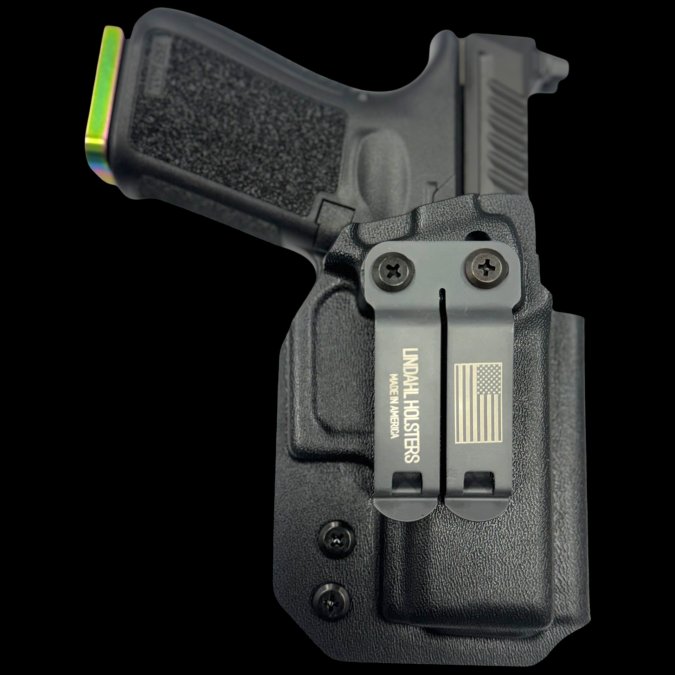
Ride height determines how high or low your holster sits. Higher positions work with untucked shirts; lower positions require more fabric but feel more comfortable during extended sitting.
Cant and ride height interact: high-ride, steep-cant setups print less but may feel uncomfortable driving; low-ride, shallow-cant setups feel better sitting but print more under tight shirts. Test different combinations.
Lindahl Holsters' custom Kydex construction lets you specify cant and ride height. Small adjustments, even 5 degrees of cant or half an inch of ride height, can make the difference between a working setup and one that doesn't.
Carrying While Sitting and Driving
Sitting changes how your holster feels and conceals. Your waistline compresses, your torso rotates forward, and the gun's position shifts. Understanding seated carry biomechanics helps you diagnose and fix discomfort.
The Biomechanics of Seated Discomfort
When you sit, your waistline folds at the hips. A strong side holster rotates inward and presses against your ribs or hip depending on your body shape. This pressure increases the longer you sit, making a comfortable setup painful after hours. Adjusting your wardrobe to accommodate this shift requires careful attention to rise and fabric flexibility, much like the principles involved in styling comfortable jeans to minimize restriction during extended periods of wear.
Appendix carry performs better while sitting because the gun points downward into the space created by your folded waistline. However, it creates concealment challenges while standing, the fundamental trade-off.
Crossdraw carry can work for larger midsections, placing the gun on your opposite hip away from sitting pressure. The downside is slower access and specific clothing requirements.
Ride Height and Sitting Comfort
Ride height directly affects seated comfort. Higher positions keep the gun higher with less pressure; lower positions give more room but vary by body type. Test by adjusting in half-inch increments and sitting for extended periods.
Cant Angle and Seated Pressure
Cant affects how the gun presses into your body while sitting. A steeper cant reduces rib pressure; a shallower cant might reduce hip pressure. Test different cant and ride height combinations in your actual sitting environment.
Holster Design Features for Seated Carry
Holsters with pronounced cant and curved bodies reduce pressure points while sitting. Rigid, boxy designs create painful pressure concentrations. Switching to a curved or appendix-specific design can significantly reduce chronic discomfort.
Driving-Specific Considerations
Your holster position relative to your steering wheel affects comfort and accessibility. Test your setup in your actual vehicle, adjusting cant and ride height for comfort, then verify you can still draw quickly from that seated position.
Appendix carry gives the best seated access without significant torso rotation. Strong side carry requires rotation, taking longer. If you drive frequently or sit most of the day, appendix might be worth trying despite concealment challenges.
Addressing Chronic Discomfort
Chronic pain might stem from belt tightness or posture, not holster position. Your gun belt should be snug enough to hold your holster steady but loose enough to fit a finger between belt and waist. Sitting upright reduces pressure; taking breaks every hour helps.
Consider your firearm size as well. A full-size pistol creates more pressure points than a compact or sub-compact. If you're experiencing chronic discomfort and you have flexibility in your firearm choice, trying a smaller gun might solve the problem without changing your holster position or belt setup.
Seasonal and Situational Adjustments
Your sitting comfort setup might need to change seasonally. Winter layers add bulk around your waistline, which can increase pressure while sitting. Summer carry with minimal layers reduces pressure but increases concealment challenges. Spring and fall are transition periods where you might need to adjust cant or ride height as your clothing changes.
If you sit most of the day but occasionally need to stand and move (meetings, errands, etc.), you might need a compromise position that's reasonably comfortable for both sitting and standing rather than optimizing for one scenario. Appendix carry is often this compromise: moderately comfortable while sitting, reasonably concealable while standing, and fast to access from either position.
Seasonal Wardrobe Transitions and Carry Adjustments
Your carry setup needs to change with the seasons. Winter allows heavier layers and longer coats that provide excellent concealment. Summer requires lighter fabrics and fewer layers, which means your holster prints more easily. Spring and fall are transition periods where you might need different positioning or holster types than you use in summer or winter.
Winter carry is easiest because jackets, sweatshirts, and heavy layers all work for concealment. Many carriers use OWB holsters in winter because the concealment is so easy. The challenge is that winter clothing is bulky, which can slow your draw if you ever need to access your firearm quickly.
Summer carry requires rethinking your setup. Light t-shirts and shorts don't conceal much. Many carriers switch to appendix carry in summer because the gun sits in front where a light shirt still provides some concealment. Others use smaller firearms or switch to ankle or off-body carry. The key is testing your summer setup well before you actually need to carry in summer conditions.
Spring and fall are when you adjust. As temperatures drop in fall, add layers gradually and test how your existing setup performs. As temperatures rise in spring, remove layers and test again. Small adjustments to cant or ride height often make the difference between a setup that works and one that doesn't as your clothing changes.
Seasonal transitions also mean wardrobe planning. Identify which clothes work with your carry setup and which don't. Loose-fitting summer shirts work better than fitted ones. Heavier fall jackets work better than lightweight ones. Building a carry-friendly wardrobe means deliberately choosing clothes that work with your holster rather than fighting against your clothing choices.
Common Mistakes to Avoid When Dressing Around a Holster
The biggest mistake is trying to conceal a holster that doesn't fit your body or lifestyle. If you're sitting most of the day, a strong side carry setup that works great for standing will torture you. If you need to access your firearm quickly, appendix carry might not work despite being easier to conceal. Start by honestly assessing how you actually spend your time, then choose a position that works for that lifestyle.
Many new carriers buy the wrong size firearm for their body. A full-size pistol prints more than a compact or sub-compact, which means it requires more concealment and better technique. If you're struggling with printing, consider whether a smaller firearm might work better for your situation before buying more concealment gear.
Cheap holsters cause problems. A poorly made holster shifts throughout the day, which means your gun's position changes constantly. This requires more concealment fabric and feels less comfortable. A quality holster like those from Lindahl Holsters stays exactly where you position it, which means your clothing choices actually work as intended.
Another common mistake is buying the wrong size pants. Many carriers wear pants that are too tight, thinking tight pants will hold the holster better. Actually, tight pants create more printing and reduce comfort. Wearing pants that are one size larger than your normal size is standard practice for carriers. The extra room accommodates your gun belt and holster without creating visible bulges.
Relying on one concealment method is a mistake. A setup that works perfectly in winter might print terribly in summer. A position that's comfortable while standing might be intolerable while sitting. Building flexibility into your carry strategy, knowing multiple positions, having a backup holster, adjusting your wardrobe seasonally, makes you adaptable to different situations.
Dressing around a holster comfortably isn't about finding one magic solution. It's about understanding how your body, your holster, your clothing, and your lifestyle all work together. The right setup for you depends on how you actually spend your time, what size firearm you carry, and which positions feel natural to your body. Start with quality gear from Lindahl Holsters, our custom Kydex holsters are designed for everyday carry comfort with active retention you can trust. Explore our IWB and OWB options with adjustable cant and ride height, and find the setup that works for your specific firearm and lifestyle. FIND YOUR GUN MODEL to get started with a holster built for your comfort and performance.
Frequently Asked Questions
How do I prevent printing while carrying a concealed holster?
Printing occurs when your firearm's outline is visible through clothing. Prevent it by using a cover garment at least one size larger, selecting heavier fabrics, and positioning your holster at 3 or 4 o'clock. A concealment claw or wing accessory like the ModWing rotates the grip toward your body, significantly reducing visibility. Layering with an undershirt and outer shirt breaks up the silhouette. Adjust your holster's ride height and cant until the grip sits naturally against your body.
What's the best holster position for all-day comfort?
Most carriers find 3 or 4 o'clock (strong side) most comfortable for all-day wear, as it distributes weight along your hip rather than concentrating it at one point. Appendix carry works well for those who sit frequently, but requires careful clothing choices and body mechanics. Your comfort depends on your body shape, daily activities, and clothing style. A quality gun belt and proper holster retention ensure your firearm stays secure regardless of position.
What type of belt should I use for concealed carry?
A dedicated gun belt is essential, regular belts lack the rigidity and support needed for holster retention and comfort. Gun belts are typically 1.5 inches wide with reinforced cores that prevent sagging and shifting. They distribute the holster's weight evenly across your waistline, reducing fatigue and improving concealment. Upgrade options like the DCC Monoblock IWB Belt Clip provide superior stability and prevent your holster from lifting during the draw stroke.
Can I carry a holster comfortably in business or formal attire?
Yes, with strategic choices. Appendix carry works well under blazers and suit jackets. Choose lighter, slimmer holsters for compact firearms. Wear your holster higher on the waistline, closer to your body. Jackets and vests provide natural concealment, while dress shirts in heavier fabrics hide printing better. Avoid tight-fitting dress pants; opt for slightly looser cuts. Practice your draw in formal clothing before carrying to ensure accessibility and comfort during extended wear.

