


Concealed Carry Holster Return Policy: What to Know
Table of Contents
- Why Understanding Holster Return Policies Matters
- Typical Return Eligibility Criteria for Holsters
- How a Holster Restocking Fee Works
- Fixing Kydex Holster Fitment Issues Before Returning
- IWB Holster for Light Bearing: Return Challenges
- How to Initiate a Holster Return: Step by Step
- Warranty Claims vs. Returns: What You Need to Know
- Frequently Asked Questions
Last Updated: September 14, 2026
Why Understanding Holster Return Policies Matters
A concealed carry holster return policy determines whether you can send back a holster that doesn't fit, feel right, or match your carry setup, and under what conditions, so knowing the holster return policy before you buy matters. This guide breaks down the eligibility rules, restocking fees, fitment troubleshooting, and warranty distinctions that separate a smooth return from a rejected claim.
Here's the uncomfortable truth: most holster returns happen because of fitment problems that could have been solved before the box was ever sealed. A holster that digs into your hip on day one rarely gets better on day thirty. Understanding the policy before you buy saves you the hassle of a return entirely.
The 8 sections below walk through eligibility criteria, restocking fees, light-bearing complications, and the exact steps to initiate a return if you need one.
Typical Return Eligibility Criteria for Holsters
Most holster makers require returns within a set window, typically 30 days from the delivery date, and the item must be in original condition (the FTC). That means no scratches, no modified hardware, and original packaging intact.
The eligibility criteria that trip people up most often:
- Purchase date vs. delivery date: Some policies count the return window from the purchase date, others from delivery. A holster shipped across the country loses days either way.
- Original condition: Any sign of field use, sweat stains, or hardware modification voids most returns.
- Proof of purchase: Order confirmation or receipt required. No exceptions at most shops.
- Return authorization: A return authorization number is standard. Shipping without one gets your package refused.
Custom orders sit in a different category entirely. A holster molded for a specific weapon-light combination is often marked non-refundable unless it arrives defective. That's not a loophole; it's because the maker can't resell a one-off build.
How a Holster Restocking Fee Works
A holster restocking fee is a percentage deducted from your refund to cover inspection, repackaging, and resale preparation. Many makers charge a restocking fee on returns that aren't the result of a defect, while defective products typically qualify for a full refund.
The distinction matters. If the holster arrived with a cracked shell or a retention screw that won't thread, that's a defect, and you shouldn't pay a restocking fee. If you simply changed your mind or ordered the wrong model, expect a deduction.
Return Reason |
Typical Fee |
Refund Type |
|---|---|---|
Defective product |
No fee |
Full refund |
Wrong item shipped |
No fee |
Full refund or exchange |
Changed mind |
Restocking fee applies |
Partial refund |
Custom order |
Often non-refundable |
Store credit at some shops |
Fitment issue after trial |
Case-by-case |
Partial refund |
Shipping and handling charges are frequently non-refundable even when the restocking fee is waived. Read the policy line by line before you ship anything back.
Fixing Kydex Holster Fitment Issues Before Returning
Kydex holster fitment issues are usually fixable at home, and troubleshooting first saves you the return entirely. A holster that feels too tight, too loose, or uncomfortable often needs a small adjustment rather than a new build.
Start with retention. Most Kydex holsters use adjustable retention screws, and a quarter turn in either direction changes how the firearm sits. Too tight? Back the screw off slightly. Too loose? Tighten it until the firearm clicks into place with a firm pull.
Comfort problems usually trace back to one of three causes:
- Ride height: A holster sitting too low digs into your hip. Adjustable clips or a different clip position fixes this.
- Cant angle: The forward or backward tilt of the holster affects how it presses against your body. A 15-degree cant works for most people; appendix carry often wants less.
- Belt and clip interaction: A flimsy belt lets the holster shift, which causes hot spots. A stiff gun belt solves more comfort complaints than any holster modification.
What most guides miss is that test-fit marks from drawing and reholstering are normal. Deep gouges or holster wear from actual carry do.
IWB Holster for Light Bearing: Return Challenges
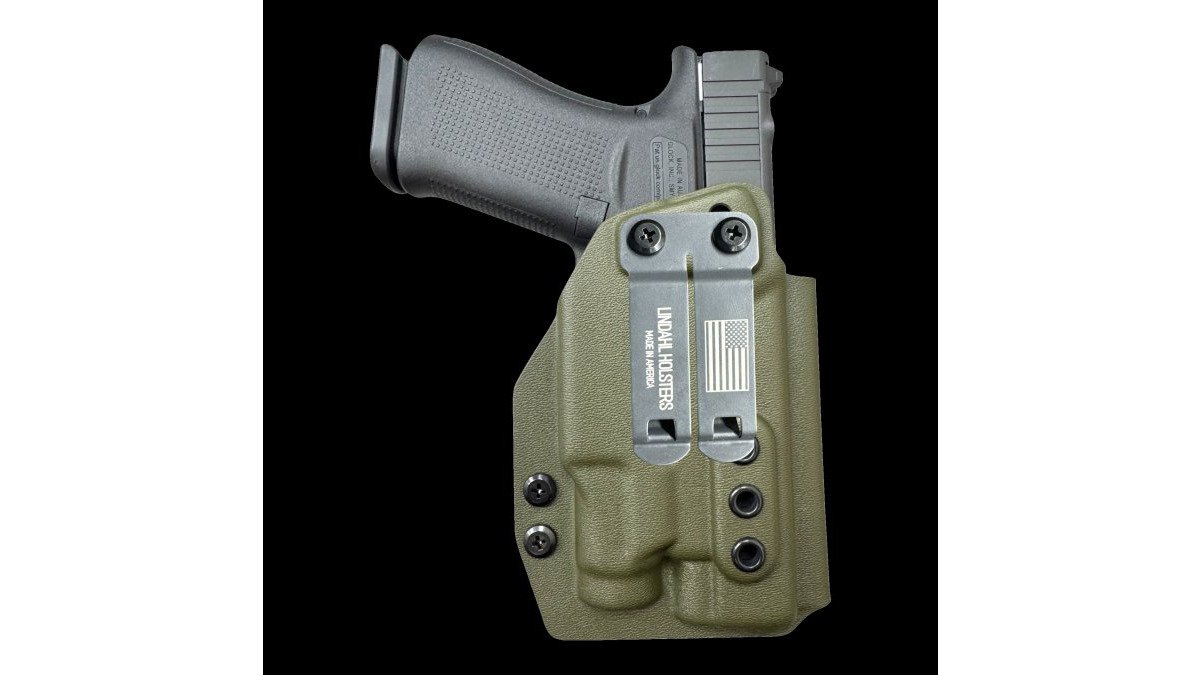
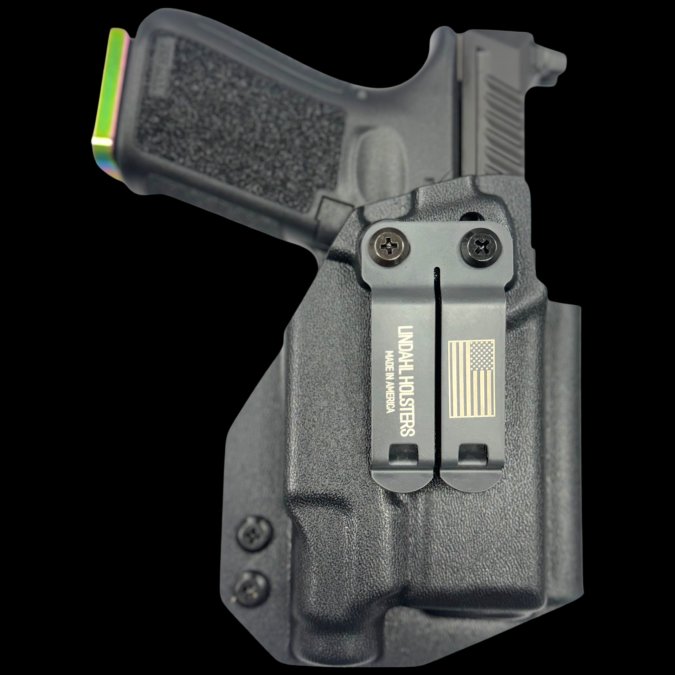
An IWB holster for light bearing setups faces stricter return rules than a standard holster, because the light channel makes the holster a custom-fit item. Once molded for a specific weapon-light combination, the holster can't be resold to a customer with a different setup.
That's why many makers treat light-bearing holsters as final sale or limit returns to defects only. The logic is straightforward: a holster built around a specific light won't fit anything else, so a "changed my mind" return leaves the maker holding unsellable inventory.
If you're ordering a light-bearing holster, confirm three things before you buy:
- The exact light model and generation, since a TLR-7A and TLR-7 sub are different footprints
- Whether the holster accommodates the light only or the light plus an optic
- The maker's specific return terms for light-bearing builds, which often differ from standard holsters
Getting these right the first time avoids the return problem entirely. A holster molded for your exact setup is the only reliable path.
How to Initiate a Holster Return: Step by Step
The return process follows a predictable sequence at most holster makers, and skipping a step delays your refund. Here's the standard flow, plus the packing and shipping logistics most policy pages leave out.
Step 1: Check your return window. Confirm the deadline against your purchase date or delivery date, whichever the policy uses. If you're close to the cutoff, contact customer service immediately and ask them to note the date you first reached out.
Step 2: Request a return authorization. Email or use the shop's return portal. You'll receive a return authorization number and often a prepaid return shipping label. Don't ship without this number, carriers can't help you if the package is refused at the dock.
Step 3: Photograph the holster before you pack it. Lay the holster on a plain surface and shoot the shell, the clip or loops, and every screw. Date-stamped photos are your proof if the maker claims the holster arrived scratched or modified. This takes 60 seconds and resolves most disputes.
Step 4: Package the holster so it survives transit. Kydex is rigid but the shell can crack under a direct impact, and a bent clip is the most common shipping-damage claim (ups.com). A workable packing sequence:
- Wrap the holster in the original foam or a layer of bubble wrap, paying extra attention to the clip and the muzzle end of the shell.
- Place it in a rigid box, not a padded envelope. A poly mailer offers no crush protection.
- Fill empty space with crumpled paper or air pillows so the holster can't shift. A holster rattling inside a loose box is a holster that arrives cracked.
- Tape all seams, and write the return authorization number on the outside of the box near the label.
Step 5: Ship with tracking and keep the receipt. Use the provided label or a tracked carrier. Keep the tracking number and the drop-off receipt until the refund posts. If the package goes missing, tracking is the only thing that gets you a refund.
Step 6: Wait for inspection and processing. Most shops inspect on arrival, then process the refund within a set processing time. Expect a partial refund if a restocking fee applies. If you haven't heard anything after the stated processing window, follow up in writing and reference your return authorization number.
Step 7: Confirm your refund. Check that the amount matches the policy, and follow up if the restocking fee or shipping deduction seems wrong. Compare the refund to your original order total line by line.
Warranty Claims vs. Returns: What You Need to Know
A warranty claim covers defects in materials or workmanship, while a return covers a change of mind or fitment issue. The two paths have different rules, timelines, and outcomes, and mixing them up is a common mistake.
Warranty claims typically apply to:
- Cracks or splits in the Kydex shell that aren't from impact
- Hardware failure, such as stripped screws or broken clips
- Retention problems caused by a manufacturing defect, not normal wear
- Finish defects present on arrival
Returns, by contrast, handle wrong-model orders, comfort issues, and buyer's remorse. A warranty claim usually results in a repair or replacement, while a return results in a refund or store credit.
The distinction matters because warranty claims often have longer windows than returns. A holster that develops a crack six months in is a warranty issue, not a return. Document the defect with photos and contact customer service with your proof of purchase.
Comparing Return Standards Across the Industry
Holster makers cluster into three broad return models.
No-questions-asked trial windows. Some makers advertise a satisfaction guarantee with a defined trial period, often 30 days, during which you can return a holster for any reason, including fitment, and receive a full refund minus return shipping. These policies are the most consumer-friendly, but they usually exclude custom and light-bearing builds.
Restocking-fee policies. The most common model. You can return a standard holster within the window, but a percentage is deducted from your refund to cover inspection and repackaging. Defects and wrong-item shipments are exempt. This model rewards buyers who get the order right the first time.
Final-sale and custom-only policies. Custom-molded, light-bearing, and made-to-order holsters are frequently non-refundable or limited to defect claims. The rationale is resale: a holster molded for one specific weapon-light combination can't be sold to anyone else.
A few practical questions to ask before you buy from any maker:
- Does the return window run from the purchase date or the delivery date?
- Is the restocking fee a flat charge or a percentage, and does it apply to exchanges?
- Are return shipping costs covered, and does that change if the holster is defective?
- Are light-bearing and custom builds excluded from the standard policy?
- Is the warranty transferable, or does it apply only to the original purchaser?
Frequently Asked Questions
Is a holster considered concealed carry?
Yes, a holster itself is not a firearm, but it is an accessory designed for concealed carry. However, some states have specific laws about how a handgun must be carried, and a holster helps meet those requirements. Always check local regulations. The holster return policy is separate from legal considerations, so review the policy before purchase.
What items cannot be returned?
Common non-returnable items include custom orders, final sale items, and products that have been modified or damaged. For holsters, custom-molded designs made for a specific firearm and light combination often fall under this category. Always check the return policy for details on non-refundable items and any restocking fees that may apply.
What is the standard return window for custom Kydex holsters?
Return windows vary by manufacturer, but many offer a 30-day window from the delivery date. Some may extend to 60 days. Custom Kydex holsters may have shorter windows or be non-returnable. Check the specific policy before ordering. If you need to return, initiate the process promptly to avoid missing the deadline.
What should I do if my holster does not fit my firearm correctly?
First, check for Kydex holster fitment issues like improper retention or wobble. Try adjusting the retention screws. If the holster still doesn't fit, contact customer service. Many companies offer exchanges or returns for defective products. Provide proof of purchase and photos. If it's a custom order, ask about warranty options. Do not force the firearm into the holster.

